September 24, 2026
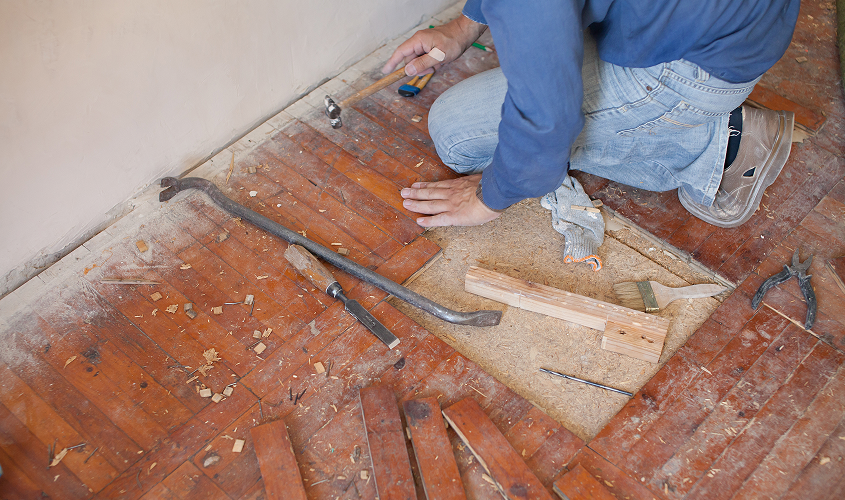
A damaged floor rarely stays a small problem for long. What starts as a loose plank, a minor scratch, or a small water stain can quickly spread beneath the surface, leading to expensive repairs that could have been prevented. Many Edmonton homeowners delay repairs because the damage doesn’t seem urgent, only to discover later that moisture, movement, or subfloor issues have made the project significantly larger.
If you’re searching for flooring repair in Edmonton, knowing what not to do is just as important as knowing how to fix the problem. While some cosmetic damage can be repaired successfully, many flooring issues become worse because homeowners unknowingly make decisions that shorten the life of their flooring. Learn more about Reno King’s professional Flooring Installation services and how we help homeowners make informed decisions about repairing or replacing damaged floors.
This guide explains the five most common flooring repair mistakes we see in Edmonton homes. More importantly, it will help you recognize when a repair is worthwhile, when replacement is the smarter investment, and when professional guidance can save both time and money.
Most flooring problems become expensive because the original issue wasn’t properly identified or addressed. Water intrusion, subfloor movement, poor installation, and delayed maintenance often cause far more damage than the visible defect itself. Understanding these common mistakes allows homeowners to protect their investment and avoid paying for the same repair twice.
While every home is different, the following mistakes consistently lead to unnecessary repair costs and shortened flooring life.
| Mistake | Potential Consequence |
| Waiting too long to repair damage | Moisture spreads and damages the subfloor |
| Repairing symptoms instead of the cause | The same issue returns months later |
| Using mismatched flooring materials | Obvious repairs that reduce appearance and value |
| Attempting complex DIY repairs | Additional damage and higher repair costs |
| Repairing flooring that has reached the end of its life | Money spent on a temporary solution |
Delaying water damage repairs is one of the most expensive mistakes a homeowner can make. Moisture doesn’t simply remain where it first appears. It travels beneath flooring, seeps into underlayment, weakens the subfloor, and creates conditions where mould and structural deterioration can develop. By the time flooring begins to visibly warp or separate, the hidden damage is often much more extensive than expected.
Many homeowners assume a floor has dried once the surface no longer feels wet. Unfortunately, trapped moisture beneath flooring materials can remain for weeks, particularly under luxury vinyl plank, laminate, engineered hardwood, or tile installations. Without proper inspection, this hidden moisture continues damaging adhesives, underlayment, and wood-based subfloors long after the original leak has stopped.
The importance of controlling indoor moisture is also emphasized by the Government of Canada’s guide on moisture management in homes. The guide explains how hidden moisture can contribute to mould growth, material deterioration, and long-term damage if it is not addressed promptly.
The sooner moisture issues are identified, the greater the chance that only a localized repair will be required. Acting quickly can often prevent an isolated flooring problem from becoming a complete room replacement, saving considerable time, disruption, and overall renovation costs.
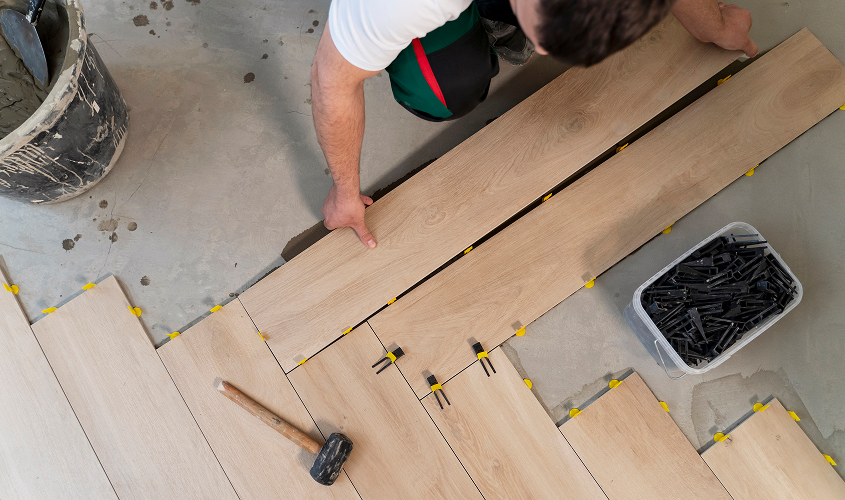
A successful flooring repair starts with identifying why the damage occurred in the first place. Simply replacing a damaged plank or patching a section of flooring without investigating the underlying cause often results in the exact same problem returning. Lasting repairs address both the visible damage and the issue that created it.
Many flooring problems are symptoms rather than the actual problem. Water leaks from appliances, plumbing fixtures, or windows, excessive indoor humidity, foundation movement, uneven subfloors, and poor installation can all cause flooring to shift, separate, or deteriorate over time. Repairing only the surface hides these issues temporarily while allowing them to continue damaging the floor underneath.
Professional inspections focus on the entire flooring system rather than just the damaged area. Identifying the root cause before repairs begin helps homeowners avoid repeated repair costs and ensures the finished floor performs as expected for years to come.
Replacing damaged flooring with the wrong product can leave a repair looking almost as noticeable as the original damage. Differences in colour, texture, plank dimensions, finish, or locking systems often create obvious transitions that stand out across the room. Even products from the same manufacturer may vary between production runs, making an exact match difficult years after the original installation.
Many homeowners assume they can simply purchase a similar flooring product from a local supplier. Unfortunately, flooring collections are updated regularly, and discontinued styles can become impossible to source. This often forces repairs that look inconsistent or require larger sections of flooring to be replaced in order to achieve a uniform appearance.
Whenever possible, keeping extra flooring after the original installation provides the best opportunity for seamless future repairs. If replacement materials are unavailable, an experienced contractor can recommend practical solutions that minimize visible differences while maintaining the overall appearance of the space.
Some flooring repairs appear straightforward until the work actually begins. Removing damaged planks without affecting surrounding flooring, preparing the subfloor correctly, and reinstalling replacement materials all require careful planning and the right tools. Small mistakes during the repair process can quickly create additional damage that is more expensive than the original problem.
Subfloor preparation is one of the most overlooked parts of flooring repair. Installing new flooring over uneven, damp, or damaged surfaces often leads to squeaks, movement, gaps, or premature wear. Even high-quality flooring materials cannot perform properly if the foundation beneath them has not been repaired first.
DIY repairs can certainly be appropriate for very minor cosmetic issues, but structural repairs, water damage, and large replacement areas typically benefit from professional experience. A properly completed repair should blend naturally with the surrounding floor while restoring both appearance and long-term performance.
Not every damaged floor should be repaired. In many cases, homeowners continue investing in repairs even though the flooring has reached the end of its practical lifespan. Replacing a few damaged sections may temporarily improve the appearance, but if the flooring continues to deteriorate, those repair costs quickly add up without providing lasting value.
Several signs indicate replacement may be the better investment. Widespread water damage, multiple soft spots, recurring movement, extensive wear across several rooms, or discontinued flooring products often make repairs difficult or uneconomical. Older flooring may also have hidden subfloor issues that remain unnoticed until the damaged material is removed.
An honest assessment can prevent unnecessary spending. Rather than repairing the same floor every few years, many homeowners find that replacing it provides better performance, improved appearance, and greater long-term value while eliminating recurring maintenance concerns.
The decision between repairing and replacing flooring depends on the extent of the damage, the age of the material, and the overall condition of the flooring system. Localized issues are often excellent candidates for repair, while widespread deterioration usually makes replacement the more practical solution. Evaluating the entire floor instead of focusing only on the visible damage helps homeowners make a more cost-effective decision.
| Situation | Repair | Replace |
| Small scratches or minor cosmetic damage | ✓ | |
| One or two damaged planks or tiles | ✓ | |
| Localized damage with a stable subfloor | ✓ | |
| Repeated repairs in multiple areas | ✓ | |
| Extensive water damage | ✓ | |
| Damaged or uneven subfloor | ✓ | |
| Flooring discontinued and impossible to match | ✓ | |
| Flooring nearing the end of its lifespan | ✓ |
Professional flooring repair becomes the safest option when the damage extends beyond the visible surface. Hidden moisture, subfloor deterioration, structural movement, and improper installation often require specialized tools and experience to diagnose correctly. Addressing these issues early helps prevent larger repairs while protecting the investment you’ve already made in your home.
A professional assessment also removes the guesswork. Instead of wondering whether a repair will last or whether replacement is necessary, you’ll receive recommendations based on the actual condition of your flooring. In many cases, homeowners are relieved to learn that a localized repair is sufficient, while in others, replacing the flooring proves to be the more economical long-term decision.
Further Reading: 2026 Flooring Performance Ratings for Edmonton Homes | Reno King
Flooring repairs should solve the problem, not simply hide it. At Reno King, every project begins with understanding why the damage occurred so we can recommend the most effective solution for your home. Whether that means repairing a small section, replacing damaged flooring, or addressing hidden subfloor concerns, our recommendations are always based on long-term performance rather than short-term fixes.
Our team works with homeowners throughout Edmonton to evaluate damaged flooring, explain the available options, and complete repairs that blend seamlessly with the surrounding space whenever possible. If replacement is the better investment, we’ll help you compare today’s best flooring materials based on your lifestyle, budget, and renovation goals so you can move forward with confidence.
If you’ve noticed water damage, lifting planks, loose tiles, squeaking floors, or any other signs of flooring failure, now is the best time to have it assessed. Reno King offers free consultations, giving you honest advice on whether a professional repair or a complete replacement is the right solution for your home.
